

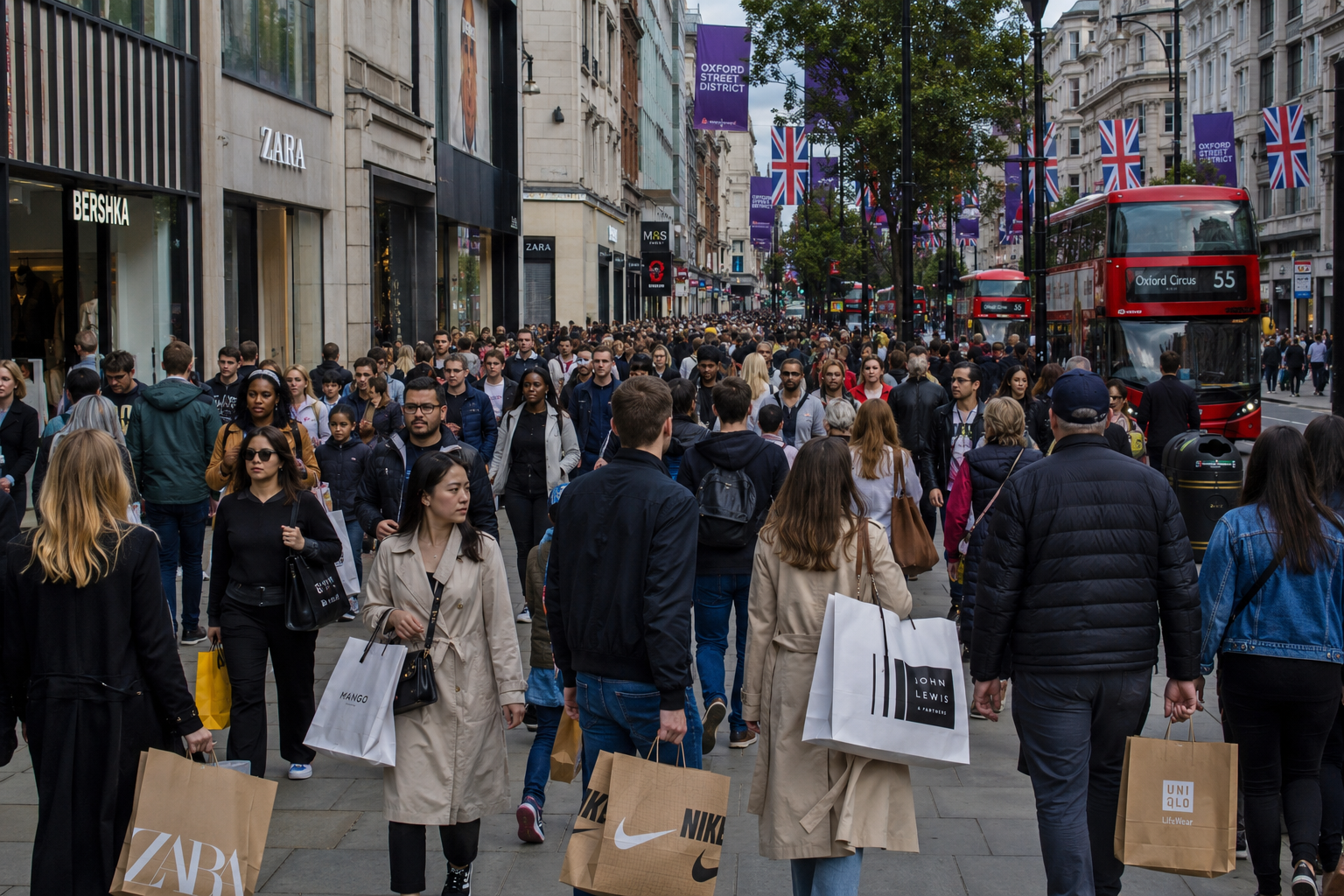
In a world where buying has become second nature, choosing to consume a little less can feel surprisingly radical. The good news is that reducing overconsumption does not have to mean going without. Often, it is about becoming more intentional with what we bring into our lives
For much of human history, people bought only what they needed. Today, we are surrounded by advertising, personalised recommendations, social media influencers and one-click checkouts designed to make spending effortless. Unsurprisingly, buying has become more than a practical activity for many of us; it can also be a source of entertainment, comfort and even identity.
Yet our growing appetite for new things comes at a cost. According to the United Nations Environment Programme (UNEP), global resource use has risen from around 30 billion tonnes in 1970 to more than 100 billion tonnes today, placing increasing pressure on the planet’s climate, ecosystems and natural resources. Research suggests that consumption, rather than population growth, has become one of the biggest drivers of material demand.
The aim is not to stop buying altogether. Instead, it is about learning how to buy more thoughtfully and consume more consciously.
Pause before you purchase
Many purchases happen in the moment. A sale appears, an advert catches our eye or a social media post convinces us we need something new.
One simple habit is to introduce a waiting period before buying non-essential items. Whether it is 24 hours, a week or even a month, creating a pause gives us time to separate genuine need from impulse. Often, the urge passes on its own.
Focus on what adds value
Buying less becomes easier when we understand what genuinely enriches our lives.
Rather than asking, ‘Do I want this?’, try asking, ‘Will this add lasting value?’ The answer might be yes for a well-used kitchen tool, a favourite book or equipment that supports a meaningful hobby. It might be no for something purchased purely because it is fashionable or heavily promoted.
Thoughtful consumption is not about owning less for the sake of it. It is about making space for the things that matter most.
Rediscover repair and reuse
For generations, repairing was a normal part of everyday life. Today, replacement is often the default option.
Before buying new, consider whether something can be repaired, altered, borrowed or repurposed. A loose button, worn zip or scratched piece of furniture may need only a small amount of attention to gain a much longer life.
Extending the life of products reduces demand for new resources while often saving money too.
Make second-hand your first stop
The growth of charity shops, online marketplaces and local swapping groups has made second-hand shopping easier than ever.
Choosing pre-owned items can help keep products in circulation for longer and reduce demand for new production. This can be particularly effective for clothing, furniture, books and children’s items.
The Ellen MacArthur Foundation reports that clothing production doubled between 2000 and 2015 while the average time garments were worn fell significantly. Buying second-hand is one way to help slow that cycle.
Find hobbies that do not revolve around spending
Shopping has quietly become a leisure activity for many people. When we feel bored, stressed or uninspired, buying something new can provide a short-lived boost.
Replacing consumption with creativity can be surprisingly powerful. Gardening, walking, reading, mending, crafting, volunteering or learning a new skill can all provide enjoyment without requiring constant purchases.
The goal is not simply to spend less, but to find fulfilment elsewhere.
Celebrate enough
Perhaps the most powerful shift is learning to appreciate what we already have.
Consumer culture often encourages us to focus on the next upgrade, the next trend or the next purchase. Choosing ‘enough’ challenges that mindset. It encourages gratitude, contentment and a more balanced relationship with our possessions.
Buying less will not solve every environmental challenge. But collectively, small changes in how we consume can reduce waste, conserve resources and help create a culture that values quality, longevity and thoughtful choices over endless accumulation.
After all, sometimes all we really need is less.
References
United Nations Environment Programme (2024). Global Resources Outlook 2024
United Nations Environment Programme (2024). Rich countries use six times more resources, generate 10 times more climate impacts than low-income countries
International Resource Panel / UNEP (2024). Global material flows database and resource use data
Ellen MacArthur Foundation (2021). Circular economy for the fashion industry
United Nations Environment Programme (2025). Sustainable fashion to take centre stage on Zero Waste Day