

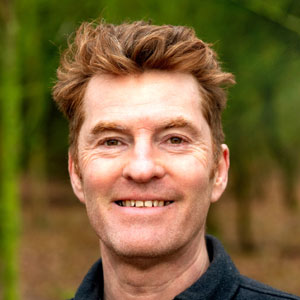
After experiencing severe burn-out, Robbie Sloan rediscovered the restorative power of the natural world and went on to found The Rewilded Mind, helping others reconnect with nature
Nature boy
I grew up in the wilds of south-west Scotland, surrounded by woods, rivers and open countryside. Looking back now, I realise just how formative that landscape was. Nature was never something separate from life; it was life. My childhood was spent exploring forests, climbing trees, wandering fields and swimming in rivers. There was a sense of freedom and spaciousness to it all that I think stayed quietly within me, even when adult life became busier, louder and far more disconnected.
For a long time, though, I didn’t fully appreciate how important that connection to nature really was. Like many people, I became caught up in work, pressure and the constant demands of modern life. A few years ago, I experienced severe burn-out in my previous career. It reached the point where I knew something fundamental had to change.
Taking time out
At the time, I didn’t have a grand plan or a clear idea of what came next. I simply found myself doing what I had always done when life felt overwhelming: I went outside. I walked in the woods. I spent time near rivers. I slowed down enough to notice birdsong, light through trees and the feeling of fresh air again. Gradually, something inside me began to settle.
What surprised me was how powerful that process felt. Nature wasn’t just calming me down; it was helping me reconnect with parts of myself that had been buried beneath stress and exhaustion for years.
Discovering nature therapy
While trying to understand more about what I was experiencing, I came across the idea of nature therapy and forest bathing. I was immediately fascinated because it gave language and structure to something I had intuitively felt my whole life.
There is now a growing body of scientific research showing the benefits of spending time in nature. Studies have found that time outdoors can help lower cortisol, the body’s main stress hormone, while also reducing blood pressure and anxiety levels. Researchers studying Shinrin-yoku, or forest bathing, in Japan have also found that spending time among trees may support immune function and improve overall wellbeing.
One area of research I find particularly interesting focuses on the brain’s ‘default mode network’, which is associated with rumination and overthinking. Nature appears to quieten this part of the brain, helping us feel calmer, more present and less mentally overwhelmed. In many ways, that reflects exactly what I experienced during my own recovery.
The more I learned, the more it felt less like a career change and more like a return to something deeply familiar. I completed professional training and became a certified forest and nature therapist.
Why The Rewilded Mind matters
That journey eventually led me to create The Rewilded Mind. The name is hugely important to me because rewilding is usually associated with restoring damaged landscapes and allowing ecosystems to return to their natural state. I began to wonder what might happen if we applied the same idea to ourselves.
So many of us move through life over stimulated, exhausted and disconnected from our natural rhythms. As children, we often have a far more instinctive relationship with curiosity, imagination and stillness, but over time that can become buried beneath responsibility and pressure.
For me, The Rewilded Mind is about helping people rediscover that lost sense of aliveness.
A transformative experience
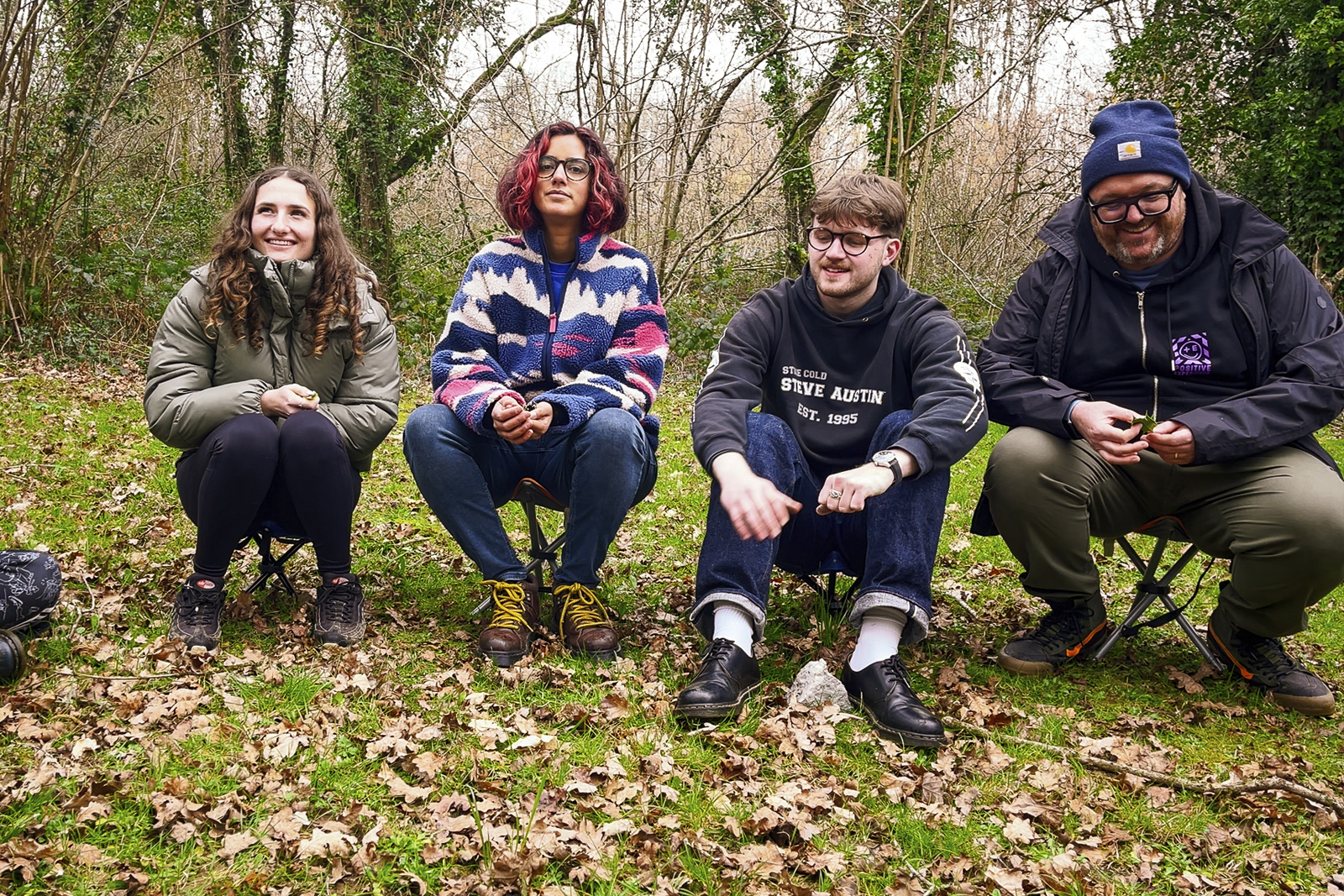
I work with a wide range of people, from individuals struggling with stress and burn-out to corporate teams looking to improve wellbeing and connection. Some people come to me because they feel anxious or emotionally drained. Others are simply searching for more balance and clarity in their lives.
The sessions themselves vary. Some take place outdoors through guided nature immersion experiences, while others happen in workplaces or online. One of my corporate experiences, called An Audience With A Tree, involves bringing a living tree into a workspace and guiding participants through a forest visualisation. It often sounds unusual to people at first, but the transformation in the room can be remarkable.
I also run remote sessions called The Clearing, which use guided visualisation to help people experience the calming effects of nature wherever they are. Research suggests the brain can respond to vivid nature imagery in surprisingly similar ways to physical immersion, which makes these sessions accessible to people who may not be able to easily access outdoor spaces.
A true calling
One of the most rewarding parts of this work is witnessing the shift that can happen in people during a session. You often see shoulders relax, breathing slow and conversations become more open and honest. Sometimes people reconnect with memories or feelings they had long forgotten.
What continually moves me is how universal the response to nature can be. Beneath all the noise and busyness, there is often a deep longing for stillness, connection and space.
Personally, this work brought me back to myself. After burn-out, I needed to find a way of living that felt meaningful and sustainable, and nature therapy gave me that. Every day, I have the privilege of helping people reconnect with something essential, both within themselves and in the world around them.
I genuinely believe this is what I was meant to do. It doesn’t feel like a job. It feels like a calling.