

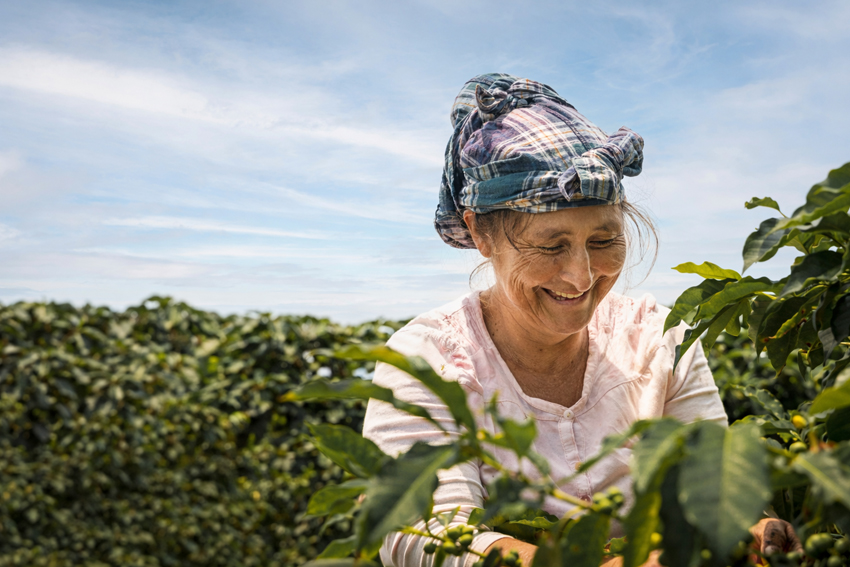
From fair pay to climate resilience, here is the etheco guide to how Fairtrade works and why more and more people are looking for products that bear the certification
What does Fairtrade mean? At its heart, Fairtrade is a way of making sure the people who grow and make some of the products we use every day are treated more fairly. It is most often associated with foods such as coffee, chocolate, bananas and tea, but it also applies to products including cotton, flowers and gold.
When a product carries the Fairtrade mark, it means that the farmers and workers involved have met a set of standards designed to support better pay, safer working conditions and more sustainable farming. For many people, it offers a simple way to shop with more confidence about where a product has come from.
A brief history of Fairtrade
The modern Fairtrade movement began in 1988, when the first Fairtrade label was launched in the Netherlands by the Max Havelaar Foundation in response to low coffee prices and the challenges facing small farmers.
By the 1990s, Fairtrade labels were appearing across Europe, including in the UK. One of the first Fairtrade products sold in Britain was Green & Black’s Maya Gold chocolate in 1994.
In 1997, Fairtrade International was created to bring together national schemes under one global system. Today, there are almost 1,900 certified producer organisations in around 70 countries, representing more than 1.9 million farmers and workers (Fairtrade International, 2025).
Over time, Fairtrade has evolved beyond simply guaranteeing a minimum price. It now places greater emphasis on living incomes, climate resilience, women’s leadership and supply chain transparency.
How the Fairtrade certification system works
Fairtrade certification is based on international standards developed by Fairtrade International and independently checked by FLOCERT, a separate certification body.
To become certified, a farm, cooperative or business must meet requirements in three areas:
- Economic standards, including paying a Fairtrade Minimum Price where one exists
- Social standards, such as safe working conditions and protection of workers’ rights
- Environmental standards, including reducing harmful chemicals and supporting more sustainable farming
The Fairtrade Minimum Price acts as a safety net. If market prices fall too low, certified producers are still guaranteed a price intended to cover the cost of more sustainable production.
Alongside this sits the Fairtrade Premium. This is an additional payment made on top of the selling price, which farmers and workers decide collectively how to spend. It might be invested in schools, healthcare, clean water or climate adaptation projects.
According to Fairtrade International (2025), producers earned more than €211 million in Fairtrade Premium in 2023 alone, bringing the total to more than €1.5 billion over the last decade.
How Fairtrade has changed over the years
Fairtrade today looks very different from the system first introduced more than 35 years ago. In the early years, the focus was mainly on helping smallholder farmers growing crops such as coffee and cocoa. While this remains important, Fairtrade now also works with larger workplaces and estates, including tea plantations and flower farms.
The organisation has also adapted to new challenges, such as climate change, which is having a growing impact on crops such as coffee, cocoa and bananas. As such, Fairtrade now supports projects that help farming communities respond, from planting more resilient crop varieties to improving water use.
Technology is changing the system too. Digital tools are helping farmers share information directly and making it easier for consumers and businesses to trace products through the supply chain.
What Fairtrade means for people, planet, performance and pocket
At etheco, products are rated across four areas: people, planet, performance and pocket. Fairtrade can have an impact across all four.
People: fairer pay and stronger communities
Fairtrade is most closely linked with people. Certified producers are expected to provide safer working conditions, support workers’ rights and avoid practices such as child labour and discrimination. The Fairtrade Premium, meanwhile, can support wider community benefits, with many producer organisations using it to invest in education, healthcare, clean water and local infrastructure. Research from Fairtrade International (2025) shows that more than 1.9 million farmers and workers are currently part of the Fairtrade system.
Planet: encouraging more sustainable farming
Fairtrade is not the same as organic certification, but it does include environmental standards.
Certified producers must protect soil and water, reduce the use of harmful pesticides and avoid environmentally damaging practices. Many organisations also use Premium funds to support climate resilience projects.
Pocket: understanding value price
Fairtrade products can sometimes cost a little more. However, many people see that difference as an investment in a more transparent and resilient supply chain.
A 2024 YouGov survey found that nearly 70 per cent of UK adults had bought a Fairtrade product in the previous year despite the cost of living crisis. It is a reminder that value is not always only about the lowest price, but can also include the longer-term impact of a purchase.
Pocket: understanding value beyond price
Performance: quality and long-term resilience
Fairtrade does not guarantee that a product will perform better in every sense, but it can support more reliable quality over time.
When farmers have greater financial security, they are often better able to invest in training, equipment and higher quality production. This can help create products that are more consistent and more resilient to supply chain disruption.
For businesses, Fairtrade can also strengthen trust. Research (Fairtrade Foundation/Kantar, 2025) found that 83 per cent of consumers trust the Fairtrade mark.
What Fairtrade means to consumers today
For today’s consumers, Fairtrade often represents something bigger than a logo. It can be a starting point for asking wider questions about where products come from, who benefits and what a more thoughtful economy could look like.
Fairtrade is not a perfect system, and it continues to evolve. Some critics argue that certification alone cannot solve the deeper inequalities in global trade. Even so, it remains one of the most recognised and trusted ethical labels in the world.
For many people, Fairtrade is a practical way to support fairer trade and to feel more connected to the story behind the products they buy.
References
Fairtrade International (2025), Key figures at a glance.
Fairtrade International (2025), Monitoring the Scope and Benefits of Fairtrade, 16th edition.
Fairtrade International (2025), Annual Report 2024.
Fairtrade Foundation and GlobeScan (2025), Fairtrade remains the “go-to” ethical label for shoppers
YouGov for the Fairtrade Foundation (2024), UK coknsumer survey on Fairtrade purchasing.
The Guardian (2024), ‘Ethical shopping on the rise in UK despite cost of living crisis’.