
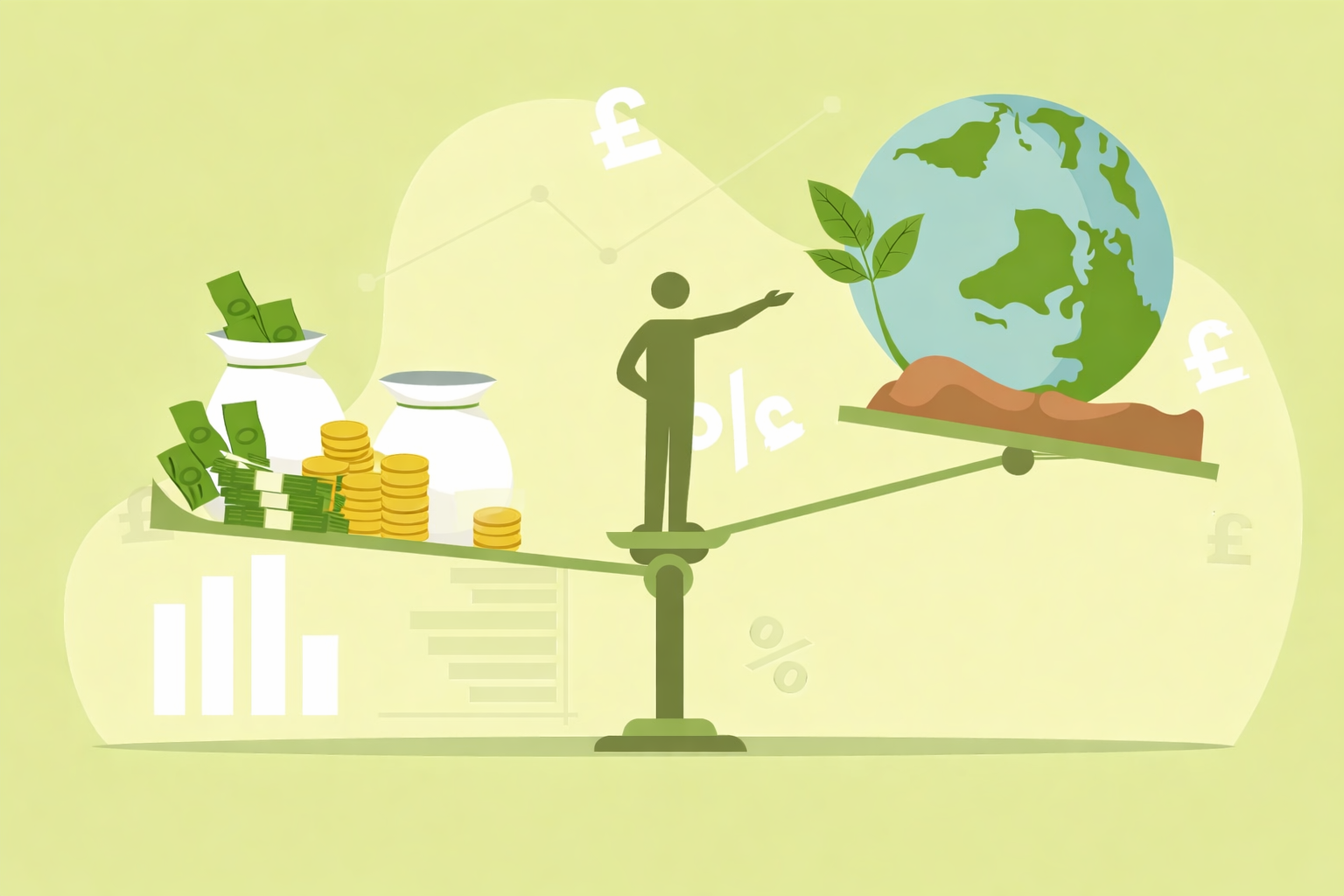
For a long time, many of us have been told that doing the ‘right thing’ comes at a premium. Ethical banking, sustainable energy, well-made appliances etc., are all very admirable, but supposedly harder on the wallet. It’s an idea that can leave people feeling conflicted, especially when budgets are already stretched.
But as we move through 2026, that narrative is starting to unravel. New evidence suggests that ethical and eco-friendly choices don’t just benefit people and the planet – they can also protect our finances over the long term. Increasingly, values and value are no longer at odds.
Rethinking the price of ethics
One of the biggest myths around ethical consumption is that it’s all about paying more upfront. In reality, many ethical organisations are structured in ways that actively reduce hidden costs.
Take banking, for example. Ethical and mutual banks tend to prioritise long-term relationships over short-term profit. Without pressure from shareholders to maximise fees, these institutions are often less reliant on punitive overdraft charges, complex pricing and high-interest debt cycles. For households, avoiding these traps can make a meaningful difference over time — not just financially, but emotionally too.
The same pattern appears in insurance. Ethically driven insurers are more likely to focus on transparency and fairness, rather than relying on loyalty penalties or sharp renewal hikes. While the first-year premium might not always be the cheapest, customers often benefit from more stable pricing and fewer unpleasant surprises down the line.
Buying once and buying well
Ethical consumption also encourages us to shift how we think about price altogether. Instead of asking: ‘How much does this cost today?’ it asks a more useful question: ‘What will this cost me over its lifetime?’
Durable, repairable products often have higher upfront prices, but they’re designed to last longer, use fewer resources and avoid premature replacement. Over a decade, repeatedly replacing cheaper items can cost far more than investing once in something built to endure. There’s also less disruption, less waste and fewer moments of frustration -benefits that don’t always show up on a receipt.
When planet and pocket align
Few areas show the overlap between ethics and affordability more clearly than energy. Improving home energy efficiency – through better insulation, efficient appliances or renewable tariffs – can lower bills almost immediately. It also reduces exposure to volatile fossil fuel prices and improves home comfort.
Here, environmental responsibility isn’t a distant moral win; it’s a practical financial one. Lower emissions and lower monthly outgoings arrive hand in hand.
The hidden costs we rarely talk about
Ethical business models often avoid practices that quietly drain money from consumers: confusing contracts, subscription traps, misleading advertising or hard-to-cancel services. These ‘hidden costs’ add up through wasted time, unnecessary purchases and on-going stress.
By focusing on trust, transparency and long-term relationships, ethical companies tend to reduce this kind of financial leakage. Stability, clear communication and fair governance don’t just feel better — they usually cost less over time.
A turning point for ethical choices
What’s changing now is scale. Ethical businesses are no longer niche alternatives. Improved transparency, stronger regulation and greater consumer awareness mean the gap between “ethical” and “affordable” is narrowing fast.
In many everyday decisions, the more responsible option is also the more financially resilient one. That’s not a compromise — it’s a dividend.
Ethical decisions don’t have to cost the earth. Increasingly, they help protect what matters most: our communities, our environment, and our financial wellbeing.