

Creating a garden can be a peaceful, restorative activity as well as a powerful way to care for the planet and the community around you. An ethical garden isn’t about perfection or strict rules; it’s about making thoughtful choices that support biodiversity, conserve resources and minimise harm. Whether you have a large garden, a postage-stamp size patio or just a few pots on a windowsill, small decisions can make a meaningful difference. Here are the ‘dos’ and ‘don’ts’ to help you cultivate a garden that is kinder to nature and more sustainable over time.
Do: Plant for pollinators and wildlife
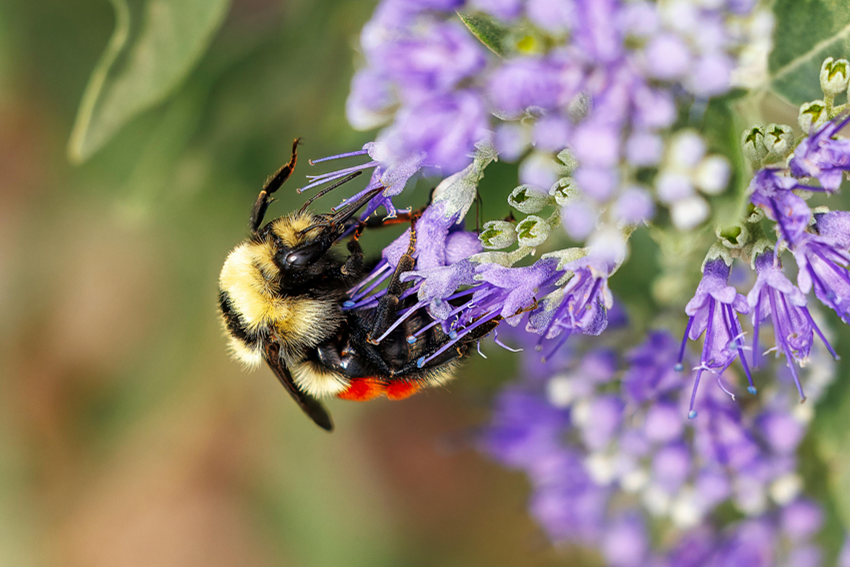
One of the simplest ways to create a more ethical garden is to plant with wildlife in mind. Bees, butterflies, birds and many other creatures depend on gardens for food and shelter, particularly as natural habitats decline. Choosing a variety of nectar-rich flowers that bloom at different times of year will help ensure pollinators have a steady supply of food. Native plants are especially valuable because local wildlife has evolved alongside them. Adding features such as birdbaths, log piles or small patches of long grass can also provide important habitats. A garden that welcomes wildlife not only supports biodiversity but also becomes more vibrant and resilient.
Don’t: Rely on chemical pesticides
While it can be frustrating to see pests nibbling at plants, chemical pesticides often cause more harm than good. Many products don’t just target pests; they can also harm beneficial insects such as bees, ladybirds and hoverflies that naturally help control garden pests. Over time, heavy pesticide use can disrupt the delicate balance of the garden ecosystem. Instead, try encouraging natural predators, using physical barriers or simply accepting a small amount of plant damage as part of a healthy environment. A balanced garden rarely needs harsh chemical interventions.
Do: User water thoughtfully
Water is a precious resource and responsible gardening means using it carefully. Installing a rainwater butt is one of the easiest ways to reduce reliance on mains water while ensuring plants receive natural rainfall. Mulching soil with compost, bark or leaf mould can also help retain moisture, meaning you water less frequently. Choosing drought-tolerant plants suited to your local climate further reduces water demand. Ethical gardening doesn’t mean letting plants struggle, but rather recognising that careful planning and small adjustments can conserve resources while still keeping your garden healthy and flourishing.
Don’t: Use peat-based compost
Peat has long been a common ingredient in compost, but harvesting it causes significant environmental damage. Peatlands store vast amounts of carbon and support unique wildlife, yet they regenerate extremely slowly once disturbed. Using peat-free compost alternatives made from materials like coir, bark or green waste helps protect these valuable ecosystems. Many gardeners are pleasantly surprised to find that peat-free compost performs just as well when used correctly. Choosing peat-free options is one of the most impactful ethical decisions you can make as a gardener.
Do: Feed the soil naturally
Healthy soil is the foundation of a thriving garden. Instead of relying on synthetic fertilisers, consider feeding the soil with organic matter such as compost (but not peat-based, see above), well-rotted manure, or homemade leaf mould. Composting kitchen scraps and garden waste not only reduces landfill but also creates nutrient-rich material that improves soil structure and fertility. Over time, living soil filled with microorganisms and earthworms becomes more productive and better able to support plants naturally. By nurturing the soil rather than simply feeding plants, you create a self-sustaining system that benefits both the garden and the wider environment.
Don’t: Treat the garden as separate from nature
Perhaps the most important ethical shift you can undergo is recognising that a garden is part of a larger ecosystem. Choices made in one garden can influence soil health, water use and wildlife well beyond its boundaries. Avoiding single-use plastics, reducing waste and thinking about the wider environmental impact of purchases all contribute to more responsible gardening. When gardeners see themselves as caretakers rather than controllers of nature, gardens become spaces of collaboration with the natural world rather than domination over it.
Do: Choose plants and materials responsibly
Ethical gardening also involves thinking about where plants and materials come from. Buying plants from reputable nurseries that avoid peat and prioritise sustainable practices can reduce environmental impact. Reusing pots, tools and building materials where possible helps minimise waste. When introducing new plants, it’s worth checking they are not invasive species that could spread beyond your garden and harm local ecosystems. Thoughtful sourcing may take a little extra effort, but it ensures that the beauty of your garden doesn’t come at a hidden environmental cost.
Don’t: Over-tidy the garden
A perfectly manicured garden might look neat, but it can remove vital habitats for wildlife. Fallen leaves, seed heads and hollow stems often provide shelter and food for insects and birds, particularly during the colder months. Leaving some areas slightly wilder allows nature to flourish. This doesn’t mean abandoning maintenance altogether, but rather embracing a more relaxed approach. By allowing parts of your garden to remain a little untamed, you create a space that supports life throughout the seasons.
Creating a more ethical garden is ultimately about awareness and intention. By making small, thoughtful choices – planting for wildlife, conserving water, nurturing soil, and avoiding harmful practices -you can cultivate a space that is not only beautiful but also beneficial to the environment. Over time, these simple steps help gardens become havens for biodiversity and quiet examples of how everyday actions can support a healthier planet./